Why the Space Itself Is Part of the Work
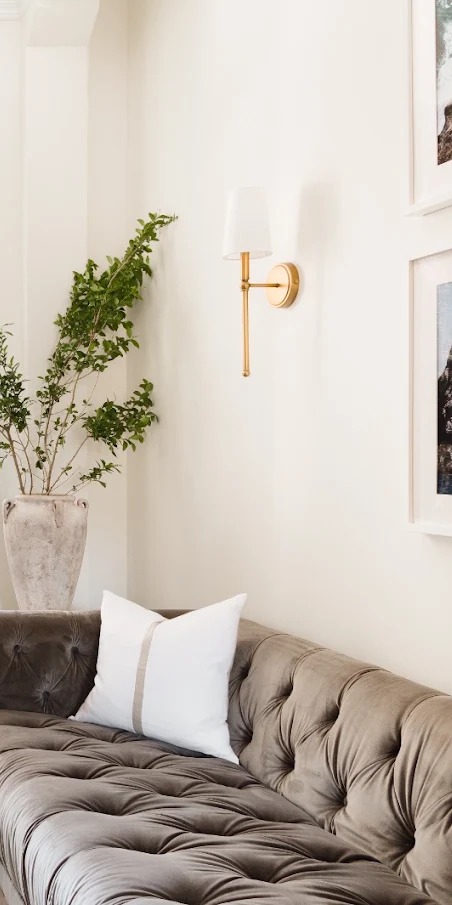
Trauma work asks the nervous system to do something it has learned is unsafe: to stay present with what has been avoided. The room where that happens is not incidental — it is clinically designed to signal safety, predictability, and the possibility of co-regulation before a single word is spoken.
Let's walk through it
The Window
Natural Light
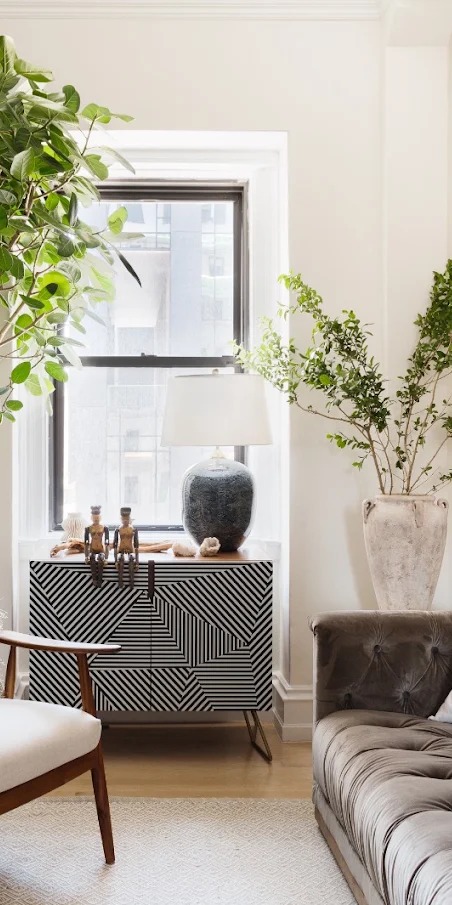
Natural light helps regulate circadian rhythm and signals to the nervous system that the space is open, not enclosed. The window faces south, so the room stays soft and steady throughout the day.
The Seating
Choice and Distance
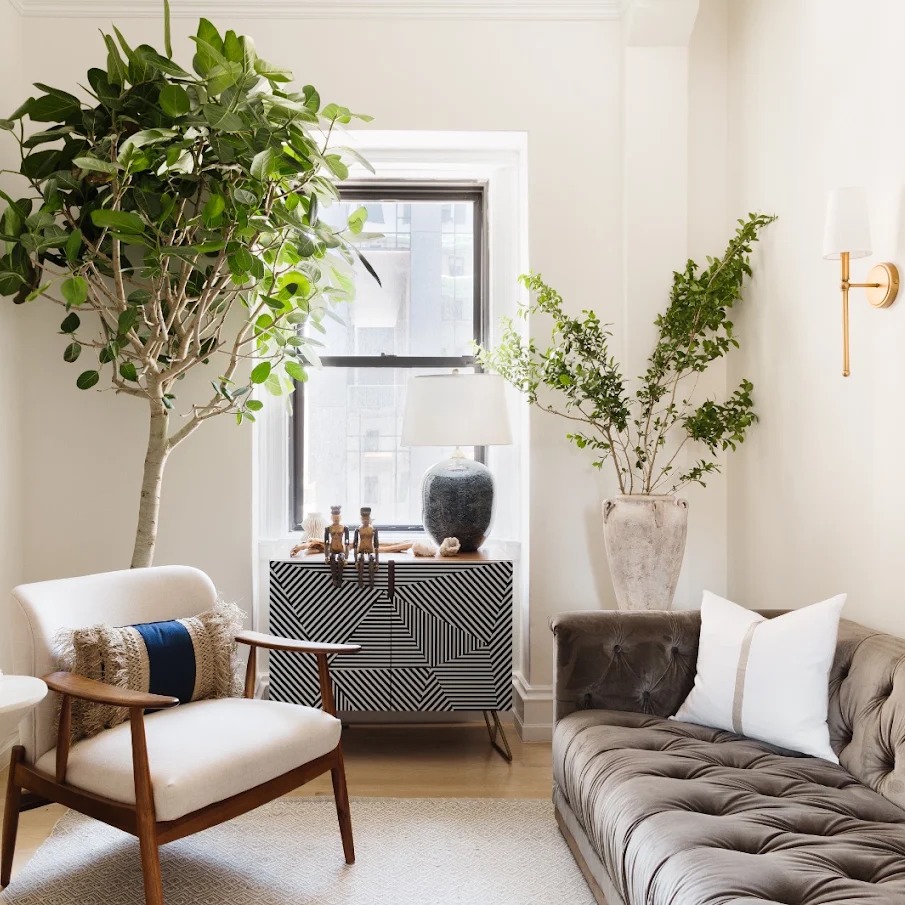
The armchair and sofa are positioned so you can choose proximity. Some people need more space to feel safe enough to speak; others settle better when closer. Both are held without judgment.
A trauma-informed space holds both activation and stillness, without asking you to perform calm before you feel it.
Let's talk about it
The Consistency
Predictable Layout
The room does not change between sessions. For someone whose nervous system is scanning for threat, that predictability is not aesthetic — it is clinical. The environment stays steady so you can unfold.
The Work
Held, Not Fixed
This space is designed to support regulation and presence, not to erase distress. If you're in crisis, you're not alone — in the US, call or text 988. Healing unfolds in layers, guided by your rhythm and readiness.
Let's Begin Where You Are
Book a free consultation to see if this space feels right for your work.
Share this with someone who needs it